Skip To Content Skip To Menu

CE Comment: November

craig square small

What is our role in safety?

We’ve been having some discussions here in the office lately, and within board meetings, about MTAs role in vehicle safety.

Of course, MTA members must operate within the current regulatory and legal environment, guided by our ethical and industry standards. But looking back at some of MTA’s historical documents ahead of our centenary celebrations, we noticed that over the years something had changed.

We discovered that in the first issue of the Radiator magazine back in May 1920, just three years after the association was founded, it had published a ‘Declaration of Fundamental Principles Accepted by Members. This declaration referred to ‘Safety First and Always’ as an overarching principle. In addition, members were expected to give ‘Service – Safe, Real and lasting Service.’

It gave us some food for thought. While safety is implicit in our professional code of ethics, safety isn’t specifically mentioned and perhaps it should be.

While vehicles are safer now than they have ever been, there are also more components that could fail and seriously impact on the safety of the driver and passengers and others on the roads.

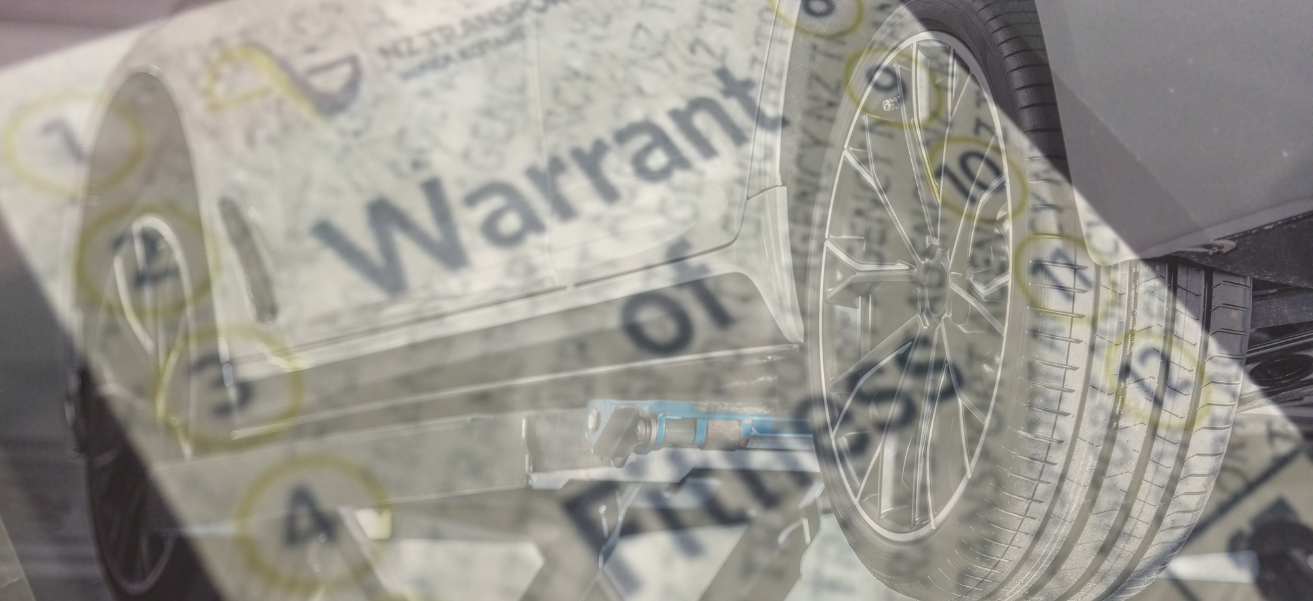
Part of our discussion has centred on the change in the warrant of fitness system and our concern is this could mean some cars with serious faults or balding tyres could be driven for a year or more without the owner noticing or taking action. There are also all the people driving unregistered and unwarranted cars, knowing that they are probably not safe but being unable or unwilling to get them repaired.

More lately, we’ve thought about our role within the Takata airbag recall. As you’ll see with Graeme Swan’s article – there are as many as 300,000 cars in New Zealand caught up in the global recall of around 100 million cars. Within this number is the more concerning group of recent imports of used cars from Japan which have had their passenger airbags deliberately disabled.

As dealers and inspectors, members have specific responsibilities to check for faults and to ensure the vehicle is not under a safety recall. But what is our role if a vehicle brought in for a warrant inspection is not safe to drive on a public road but the owner takes it away before getting it fixed?

There is no regulatory or legal requirement for the inspector to notify any authority of the danger this vehicle poses to any passengers or to the public. I have heard of some repairers who have been so concerned by the state of a vehicle being driven out of their workshop after failing a warrant that they’ve notified the police. But there’s little the police can do, unless they happen to spot the car on the road. Should there be another system? Repairers have no authority to hold on to a car that is not safe to drive, and I’m not sure we want to have that authority. But is there some other option that should be open to us? I’d be interested in hearing your views.